
Miami Rain and King Tides: Help With Roof Leaks and Mold Claims
Miami roof leaks, mold or king tide flooding? Learn what to document, how coverage can differ, and how Adjusting Experts can help review your insurance claim.
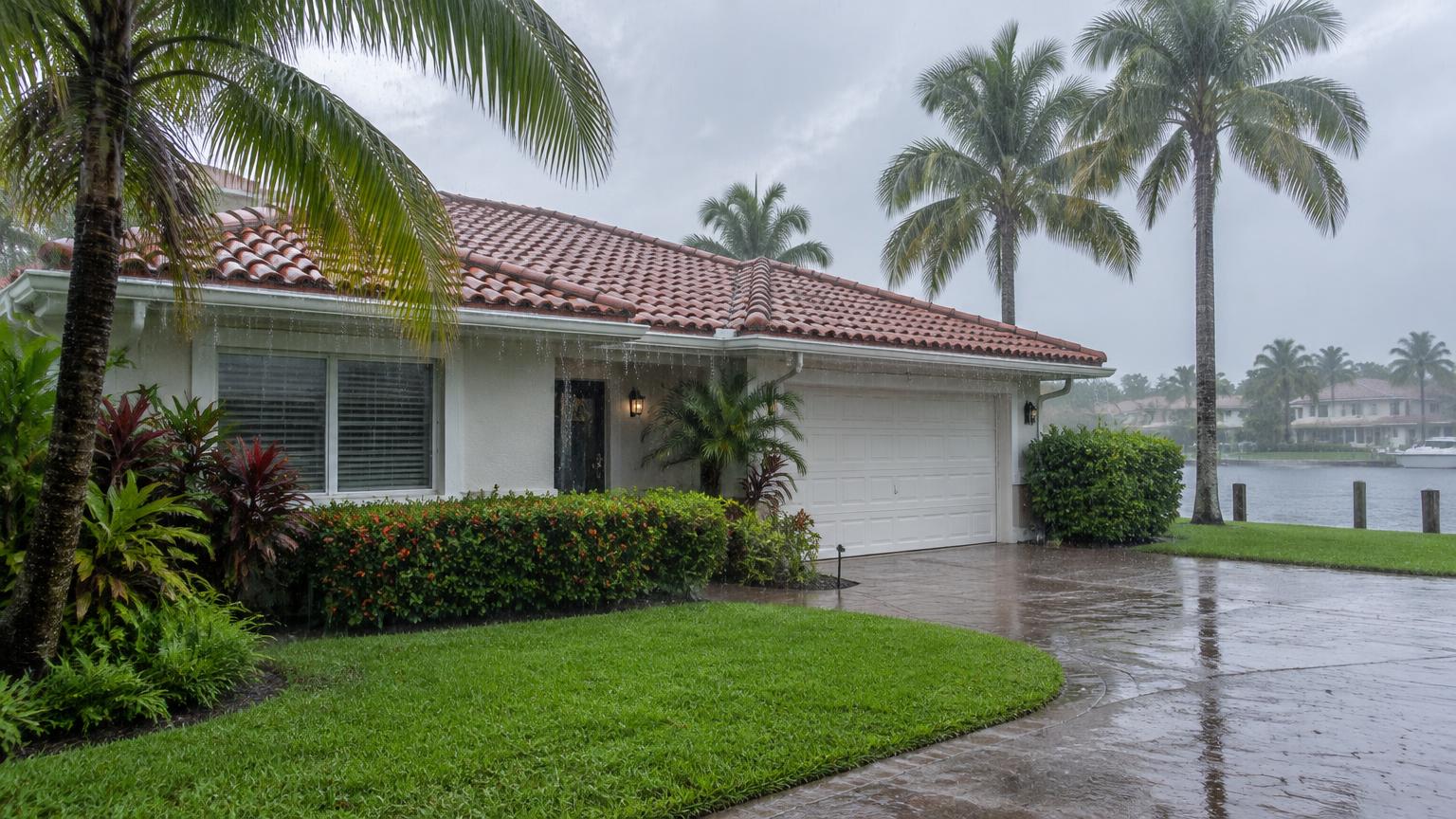
Illustrative image of a South Florida home in heavy rain; not a photograph of a specific storm or client property.
For a Miami homeowner, another heavy downpour can mean more than a wet commute. It can mean a new ceiling stain, water dripping near a window or that familiar musty smell returning. When rain and high coastal water levels affect the same neighborhood, figuring out where the water came from becomes especially important—for both the repair and the insurance claim.
At Adjusting Experts, we have seen the concern this year's rain has caused for homeowners reaching out to our team. As of November 8, 2026, our company reports helping thousands of Miami homeowners this year with roof leaks and mold-related property damage concerns. We are here to assist with documenting damage, understanding policy language and reviewing new, denied or underpaid claims. That milestone describes homeowners helped, not thousands of paid settlements or a promise of coverage.
Heavy rain and king tides: two different problems for Miami homes
King tides are the year's highest predicted high tides. They can bring coastal water into low-lying areas even without a rainstorm. Heavy rain is a separate source of water, and Miami-Dade County warns that flooding can worsen when king tides coincide with rain, strong winds or large waves. A king tide does not cause rain or make a roof leak; the hazards can occur together, but the water's route into your home matters.
Miami-Dade's high water table and limited natural drainage can leave low-lying areas vulnerable to water collecting. Elevated coastal water levels can also make drainage more difficult. Do not assume that every flooded street means every nearby house has flood damage, or that every ceiling stain came from the roof. Record what you actually observe and have the source investigated safely. This article does not claim a record rainfall total for 2026.
Roof leaks after Miami rain: follow the damage, not assumptions
Water entering around roofing, flashing or another opening may affect ceilings, insulation and wall finishes before the full damage is visible. A stain tells you where water appeared, not necessarily where it entered. A qualified roofing professional can investigate the source, while a public adjuster helps document the loss and review the insurance issues. Do not climb onto a wet roof to gather evidence.
Photograph the affected rooms and keep a dated record of when you first noticed the leak. Save prior roof inspection reports, maintenance records and temporary repair receipts. Coverage may depend on whether the damage resulted from a covered event, deterioration, an existing defect or another cause. Rain alone does not establish that an insurer owes for a roof replacement.
Mold after water intrusion: act promptly and safely
Miami's humid conditions make lingering moisture a concern. EPA advises drying water-damaged areas and items within 24–48 hours to help prevent mold growth. Address the moisture source rather than simply painting over a stain. If you see mold, smell a persistent musty odor or suspect hidden damage, seek qualified assessment and cleanup help, especially where contaminated water, extensive damage or health concerns are involved.
Keep people away from electrical hazards, sagging ceilings and unsafe areas. Do not delay necessary safety measures while waiting for an insurance inspection; document conditions before cleanup when safe. Adjusting Experts assists with insurance claim documentation and policy review, not medical advice or mold remediation. Mold coverage can have exclusions, conditions or separate limits, even when related water damage is covered.
Roof leak damage versus king tide flooding: coverage can differ
FEMA distinguishes rain entering through a wind-damaged roof from floodwater entering from the ground up. An NFIP flood policy does not cover wind-caused roof or ceiling damage. Standard homeowners policies generally exclude flooding, while a separate flood policy may apply to qualifying flood losses. Roof leaks and interior rain damage require their own policy-specific review. Neither kind of insurance automatically covers every water problem.
If your property had both water from above and rising water, document the timing, entry points and affected areas separately. Provide accurate facts rather than labeling all damage as one cause. Your insurer's assessment, policy terms, deductibles and available evidence will shape the claim. A public adjuster cannot create coverage for an excluded loss.
What Miami homeowners should gather for a claim review
- Photos and videos of visible damage, taken only from safe locations.
- The date the damage began and a timeline of leaks, rain and any observed rising water.
- Your homeowners policy, declarations page and separate flood policy, if you have one.
- Your claim number, insurer letters, coverage decision and itemized estimate.
- Roofing or moisture assessment reports, repair estimates and emergency expense receipts.
Report the loss promptly and take reasonable steps to prevent further damage. Preserve evidence where possible, and check the notice and documentation deadlines for your specific claim. You can file directly with your insurer; you do not need to wait for a public adjuster to make the initial report.
Thousands of Miami homeowners helped—and we are here to assist
Behind our company-reported milestone are homeowners trying to understand repair estimates, water damage and unfamiliar claim paperwork. Our role is to represent policyholders, organize the evidence and pursue documented losses supported by their policies. If your claim was denied or the estimate appears to leave out damage, we can review the written decision and discuss what information may still be needed. No review can guarantee a reversal or a particular payment.
Homeowners in Miami, Miami Beach, North Miami, Hialeah, Doral, Kendall, Coral Gables and other Miami-Dade communities can contact us with their property's location and claim status. Call our Miami office at 305-916-6118 or our Claims line at 1-844-28-CLAIM (25246), or request a free, no-obligation claim review through our contact page. Tell us what happened, what damage you can see and where your claim stands. We are here to help you understand the next step.
Weather, flood and mold guidance comes from the official resources below. The thousands-of-homeowners milestone is provided by Adjusting Experts. This article is general information, not legal or medical advice, a rainfall measurement or a guarantee of coverage, payment or appointment availability.
Official weather and homeowner resources
Free, no-obligation claim review
A licensed adjuster will walk your property, review your policy, and tell you exactly where you stand — at no cost.