How to Choose the Best Public Adjuster in Miami (2026 Guide)
A practical 2026 guide for Miami homeowners on choosing a licensed public adjuster — what to look for, red flags, fees, and questions to ask.
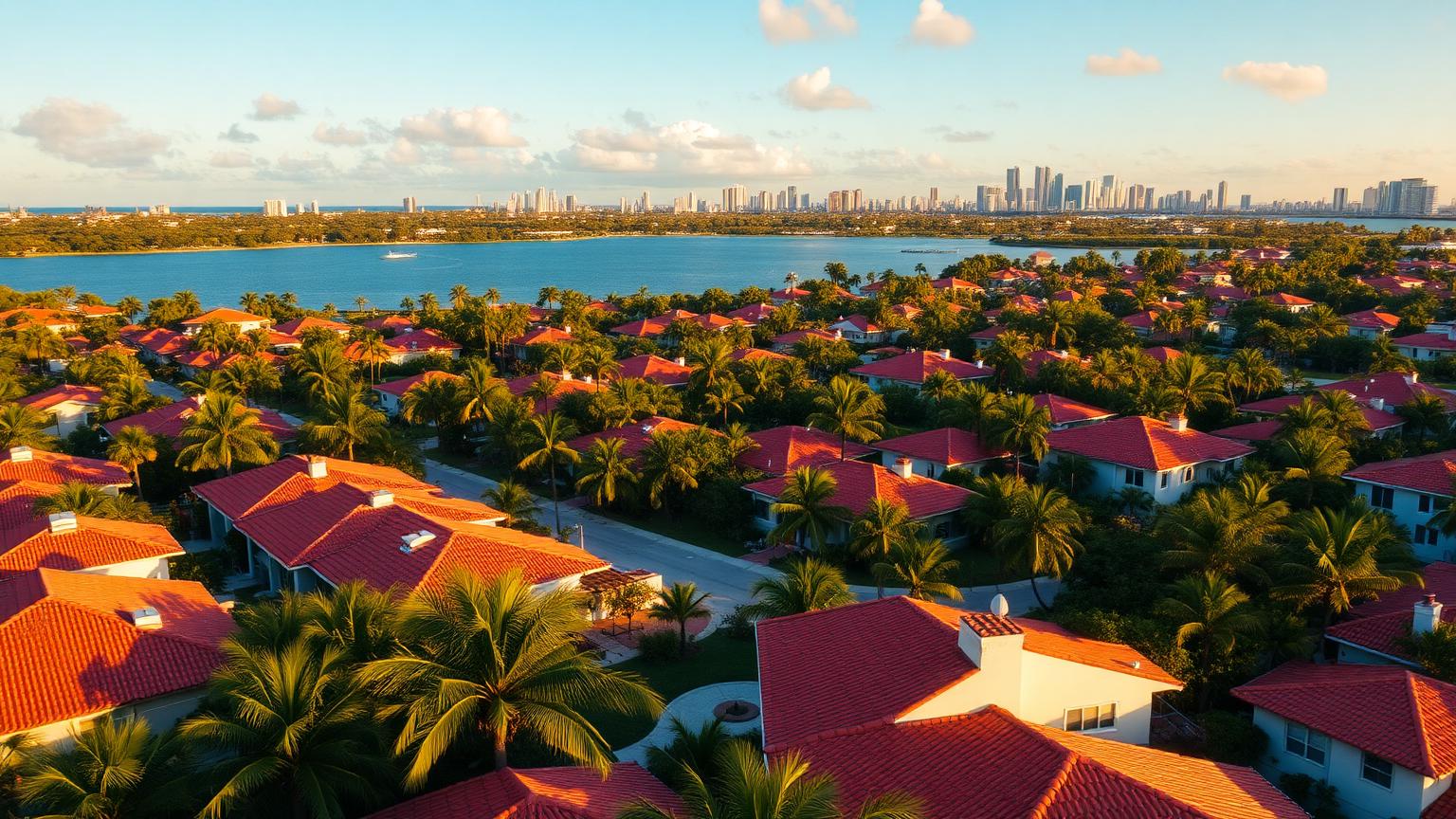
If your Miami home was damaged by a hurricane, tropical storm, plumbing leak, fire, or roof failure, the difference between a fair payout and a lowball check often comes down to one decision — who represents you when you file the claim. Insurance carriers send their own licensed adjusters to protect their interests. A public adjuster works only for you. This guide explains how to choose the best public adjuster in Miami in 2026, what to ask before you sign anything, and the red flags that should make you walk away.
1. Confirm the Florida license — every single time
Florida requires every public adjuster to hold an active state license issued by the Department of Financial Services. Ask for the license number and verify it on MyFloridaCFO before you sign a contract. Unlicensed solicitors are illegal in Florida and a guaranteed way to lose your claim. At Adjusting Experts our work is supervised by a licensed Florida Public Adjuster (License #P216659).
2. Look for real Miami claim experience
Miami claims are different from claims anywhere else — wind-driven rain, salt corrosion, tile roofs, condo association rules, AOB restrictions, and the post-2022 reforms all play a role in how a carrier values your loss. A good Miami public adjuster has handled hundreds of similar claims in your zip code, not just a handful. Ask how many wind, water, and roof claims they have settled in Miami-Dade in the last two years.
3. Demand transparent, contingency-based fees
Florida caps public adjuster fees on residential claims — 10% during the first year after a declared emergency, 20% otherwise. A reputable firm bills only on what you actually recover, never up-front. If anyone asks for cash before the carrier pays, walk away.
4. Ask for recent references and settlement examples
Reviews are useful, but talking to a homeowner whose claim was settled in the last six months is better. Ask for two recent Miami references where the carrier first denied or underpaid the claim, and what the final outcome was. With over 12,000 claims handled, we encourage every prospect to call a recent client before signing.
5. Watch for these red flags
- Door-to-door solicitation right after a storm — illegal in Florida.
- Pressure to sign on the first visit without reading the contract.
- Promises of a specific dollar amount before they have inspected the property.
- Requests to be paid directly by the contractor instead of through you.
- No physical office, no license number on the contract, no E&O insurance.
6. Questions every Miami homeowner should ask
- How many claims like mine have you handled in Miami-Dade in the past 24 months?
- Who will physically inspect my property and write the estimate?
- What software do you use to scope the loss (Xactimate, Symbility)?
- What happens if the carrier denies the supplemental claim — do you handle appraisal?
- Can I cancel within the statutory three-day right of rescission?
The right public adjuster turns a stressful, paperwork-heavy process into a clear plan — and usually a much larger settlement. If you have damage in Miami and want a free, no-obligation review, call Adjusting Experts at 1-844-28-CLAIM and a licensed adjuster will walk your property and explain your options in plain English.
Free, no-obligation claim review
A licensed adjuster will walk your property, review your policy, and tell you exactly where you stand — at no cost.