Public Adjuster Advice Every Florida Homeowner Should Know
Field-tested public adjuster advice for Florida homeowners — what to do in the first 72 hours, what never to sign, and when to call a licensed PA.
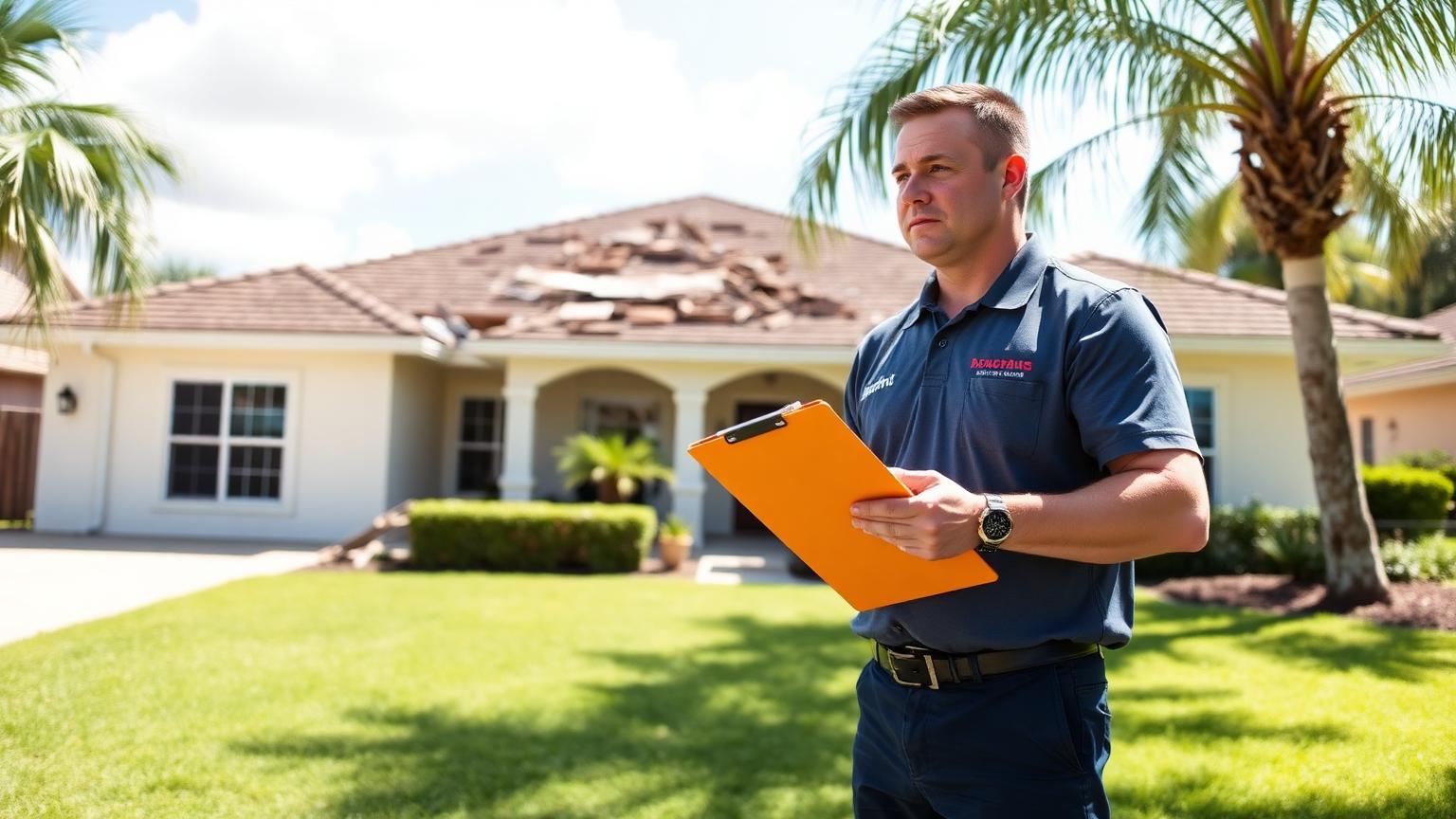
Filing a property insurance claim in Florida is not what it was ten years ago. Reforms passed in 2022 and 2023 changed deadlines, eliminated Assignment of Benefits in most cases, and shifted more of the burden onto the homeowner. The advice below comes from real claims our team has handled across Miami-Dade, Broward, Palm Beach, Tampa, Orlando, and the Panhandle — and it can be the difference between a denied claim and a full settlement.
1. Document everything in the first 72 hours
Before you clean up, before you sign anything, before you even call the carrier — take photos and video of every damaged area, inside and out. Capture serial numbers on damaged appliances. Save receipts for emergency tarping, board-up, and hotel stays (these are reimbursable). Florida law expects you to mitigate further damage, but it does not expect you to make permanent repairs that destroy evidence.
2. Don't sign anything from a contractor at the door
Storm chasers blanket Florida neighborhoods within hours of a weather event. Some show up with a clipboard and a 'work authorization' that quietly assigns your insurance rights to them. Even with AOB reform, you can still sign away your leverage. Read every document. If anyone tells you not to involve a public adjuster, that's a red flag.
3. Know your deadlines under Florida statute
- Notice of new claim: within 1 year of the date of loss for most hurricane and windstorm claims.
- Supplemental or reopened claim: within 18 months of the date of loss.
- Proof of loss: typically 60 days from carrier request — missing it can void the claim.
- Suit against the carrier: must generally be filed within 5 years of the date of loss.
These windows close quietly. If your roof was damaged by a 2024 storm and you haven't filed yet, you may still have time — but every week matters.
4. Never accept the first carrier offer at face value
Initial offers are routinely 30–60% below the true cost of repair, especially on roof, water, and interior finish claims. Carriers use software defaults that don't account for Florida labor rates, code upgrade requirements, matching tile, or hurricane-rated materials. A licensed public adjuster scopes the loss line-by-line, in the same software the carrier uses, and forces a defensible number.
5. When to call a public adjuster
- Your claim was denied, partially denied, or closed without payment.
- The carrier's check is significantly less than your contractor's bid.
- You haven't filed yet and the damage is significant (over your deductible).
- You've been told 'wear and tear' on damage that clearly came from a single event.
- Your claim has been open more than 90 days with no resolution.
6. What it costs you
In Florida, a public adjuster's fee is capped by statute and is paid only out of the recovery — never out of pocket. If we don't recover anything beyond what the carrier already offered, you owe nothing. That's the model. It's why public adjusting exists.
If you're somewhere in this process and unsure of your next step, talk to a licensed Florida public adjuster before you sign or cash anything. Call Adjusting Experts at 1-844-28-CLAIM for a free claim review. We've handled over 12,000 claims — there's a good chance we've seen yours before.
Free, no-obligation claim review
A licensed adjuster will walk your property, review your policy, and tell you exactly where you stand — at no cost.